
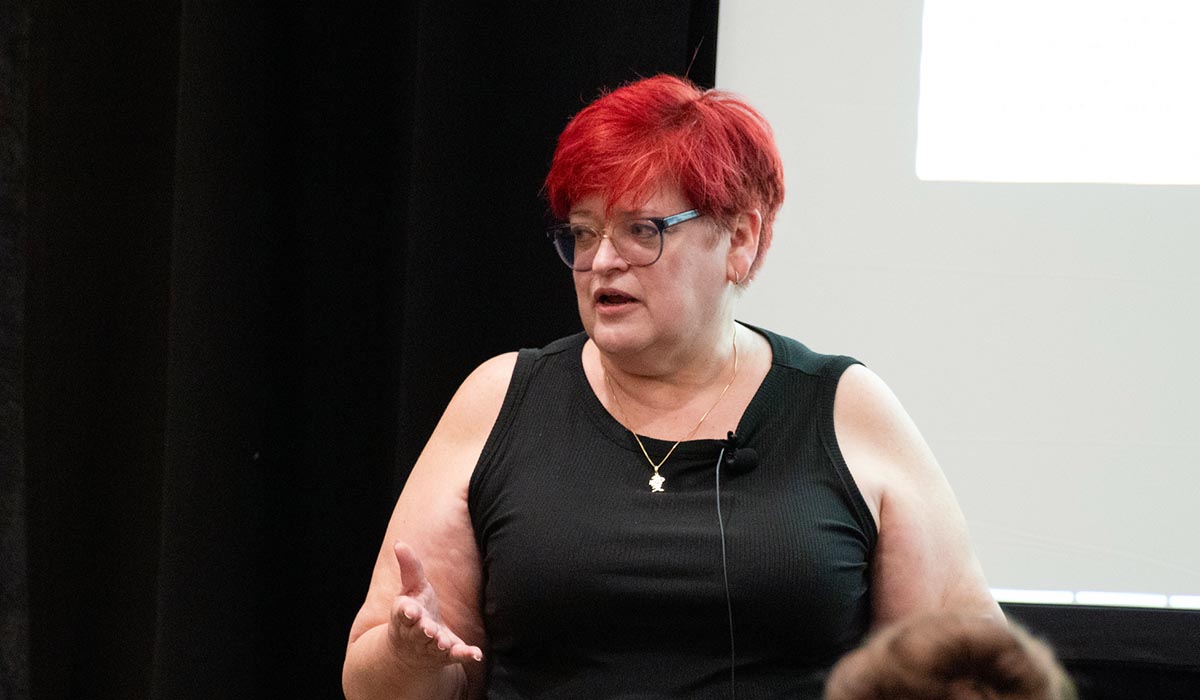
Robin Smail, digital user experience strategist for Cornell University, used lessons from the crew of Serenity — the fictional spacecraft from the “Firefly” television series — to talk about web governance, training and sustainable UX practices for higher ed.
According to Smail, creating a beautiful website is like buying a shiny new ship. Without proper maintenance, governance and crew training, even the most elegant site becomes a liability.
She identified four pillars of web success, each exemplified by a Serenity crew member.
Pillar One: Web Governance
Web governance needs a director like Serenity captain Malcolm Reynolds to take ownership and make hard calls. Supported by a team of department leads, content managers and content creators, the web captain enforces governance policies that work:
- Content standards — voice, tone and style guidelines
- Approval workflows — clear processes for content review, legal compliance and publication timelines
- Access controls — role-based permissions so the right people can edit the right content
Smail also suggested using a CMS governance plugin (she uses a WordPress tool) to enforce standards.
Pillar Two: Team Training
Web teams need a training champion like mechanic Kaylee Frye who can empower the crew with the skills they need to keep the website running smoothly. Training should be clear, accessible and focused on key areas: accessibility, UX principles, content strategy and CMS fundamentals. Delivery methods can be workshops, online modules, and mentoring for more complex challenges.
Smail encouraged teams to build a learning culture, with regular opportunities for skill sharing, problem-solving and celebrating improvements.
“According to Smail, creating a beautiful website is like buying a shiny new ship. Without proper maintenance, governance and crew training, even the most elegant site becomes a liability.”
Pillar Three: Data and Reporting
Reporting systems should be like analytical genius River Tam, revealing insights to guide decisions and identify problems before they escalate.
Track key metrics such as page load speed, mobile traffic, pages per session and session duration using tools like Google Analytics, Search Console and accessibility audits. Use that data to tell a story and drive decision making.
Pillar Four: Balancing Agility and Structure
Governance frameworks should be like first mate Zoe Alleyne Washburne — structured and disciplined, but flexible enough to seize opportunities. Smail suggested strategies for flexible governance:
- Emergency protocols for quick approval on crisis communications
- Standardized templates to speed content creation
- Delegated authority that empowers teams to make routine decisions
- Regular reviews to refine processes based on results
Sustainable success requires a crew of specialists working in harmony.
Not sure where to begin? Smail encouraged organizations to start small — with high-impact wins like weekly web team meetings and simple approval checklists — and focus on building systems that are simple, documented and transferable.
Session Recordings + Professional Development Library
Paid membership provides unlimited on-demand access to session recordings. The Professional Development Library includes all recordings from the 2025 Annual Conference and other conferences.
Link Journal has covered the HighEdWeb Annual Conference since 2011. Explore our archives for articles about previous conference sessions.